For resort operators, outdoor furniture is far more than decoration — it is a long-term operational asset.
It shapes the first visual impression of the resort, affects guest experience, and directly impacts maintenance costs and asset depreciation cycles.
A mature resort procurement strategy must balance three core goals:
Aesthetic appeal (design consistency), durability (3–5 years of stable outdoor use), and cost control (suitable for bulk purchasing).
The real value of professional outdoor furniture suppliers lies in achieving this balance through
weather-resistant material customization and modular mass production, ensuring outdoor spaces remain attractive, durable, and cost-efficient over time.
This article breaks down resort outdoor furniture sourcing from three practical dimensions:
👉 scenario-driven material requirements,
👉 style customization for large-scale deployment,
👉 and cost control strategies for bulk procurement — with real-world insights from Ailichen’s weather-resistant solutions and mass delivery capabilities.
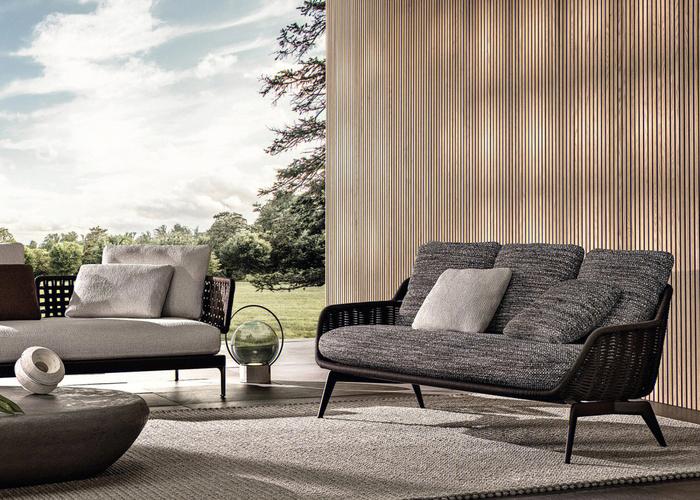
1. Three Core Outdoor Requirements: UV Resistance, Rain Protection, and Wind Stability
Resort outdoor furniture faces continuous exposure to intense sunlight, heavy rain, humidity, and sea wind.
The true determinant of lifespan is not appearance — but material engineering.
UV Resistance: High-Performance PE Rattan for Long-Term Color Stability
In tropical and coastal resorts, standard rattan and fabrics fade, crack, and age rapidly.
Although cheaper upfront, they often require replacement within 1–2 years, increasing long-term operational costs.
High-UV-resistant PE rattan (with UV stabilizers) offers:
-
UV resistance rating ≥ Level 5, maintaining color and flexibility for up to 5 years
-
Waterproof and moisture-resistant performance for poolside and beachfront environments
-
Customizable textures and weaving patterns to balance aesthetics and durability
Ideal for: pool loungers, outdoor sofas, and dining chairs in high-traffic zones.
Rain Protection: Anti-Corrosion Aluminum Frames for Structural Integrity
In humid and coastal environments, steel or iron frames corrode and deform over time, compromising safety and appearance.
Anti-corrosion aluminum frames with electrostatic powder coating and electrophoresis treatment provide:
-
Compliance with ISO 12944-5 corrosion protection standards
-
Up to 10 years of rust resistance in seaside environments
-
Lightweight structure for flexible layout changes and seasonal reconfiguration
Ideal for: outdoor dining tables, modular sofas, umbrella structures.
Wind Resistance: Weighted Base Design for Safety
Sudden coastal winds or mountain gusts can easily tip over lightweight outdoor furniture, creating safety hazards.
Weighted bases (cement-filled cores with waterproof stainless steel shells) offer:
-
20–50kg per base, suitable for resisting strong winds
-
Moisture-proof housing to prevent internal cracking
-
Concealed structure to preserve visual aesthetics
Ideal for: umbrellas, bar stools, lounge chairs, and freestanding furniture.
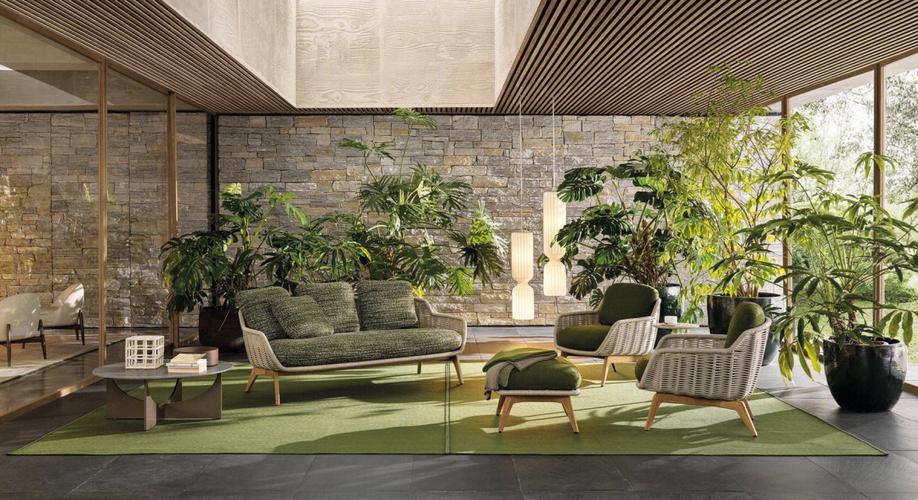
2. Style Customization: Making Bulk Procurement Look Premium
Outdoor furniture is part of a resort’s brand experience.
The challenge in bulk sourcing is achieving visual consistency without creating a “mass-produced” feel.
Tropical Style: Natural Textures with Vibrant Accents
Best suited for island and jungle resorts
-
Base tones: natural rattan shades and soft beige
-
Accent colors: ocean blue, sunshine yellow
-
Curved silhouettes and woven structures for a relaxed atmosphere
-
Stackable and foldable designs for seasonal storage efficiency
Light Luxury Style: Metallic Elegance with Minimalist Lines
Ideal for urban luxury resorts and high-end hospitality projects
-
Matte black or champagne gold aluminum frames
-
Neutral waterproof upholstery in light grey or cream
-
Geometric forms for spatial order and premium visual impact
-
Hidden storage options for operational convenience
3. How to Reduce Costs in Bulk Procurement Without Sacrificing Quality
Smart procurement focuses on total cost efficiency, not just unit price.
✔ Unified Core Materials
Standardizing primary materials (PE rattan + aluminum frames) enables bulk purchasing advantages, reducing raw material costs by 10–15%.
✔ Modular Customization
Standardized base modules with flexible functional components reduce mold costs and design expenses, cutting customization costs by 15–20%.
✔ Integrated Supply Model
Choosing suppliers that offer design, prototyping, manufacturing, and logistics in one system reduces coordination errors, rework risk, and delivery timelines.
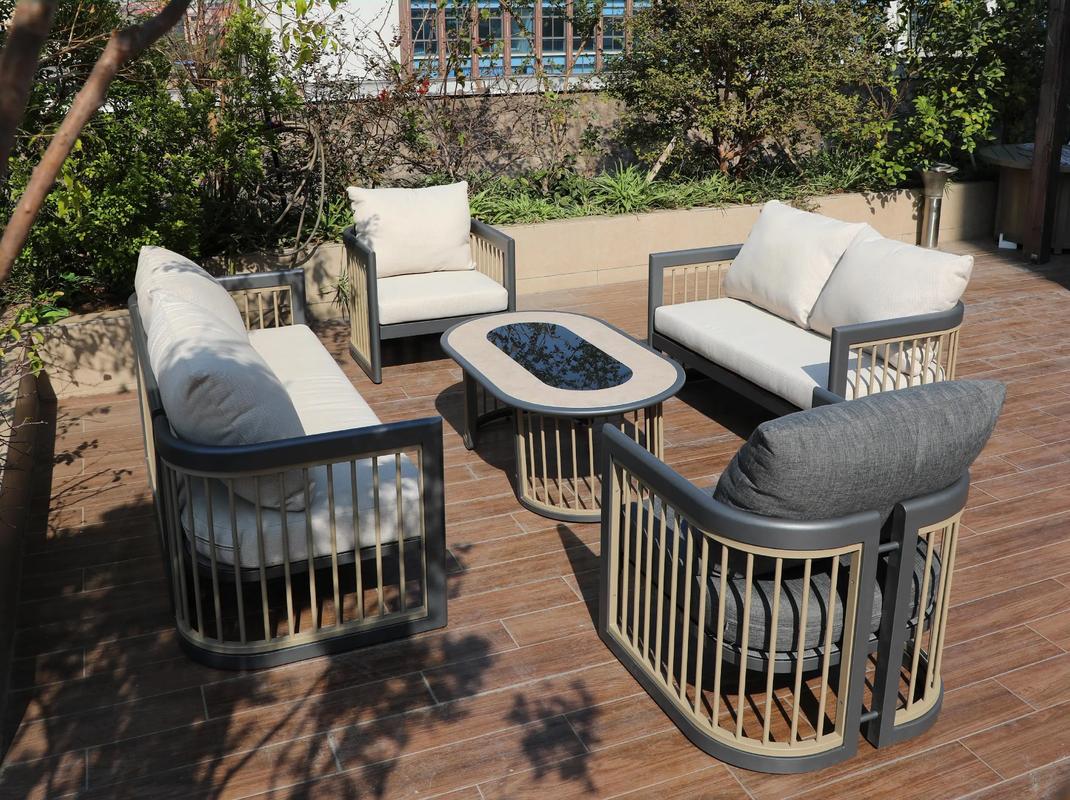
4. Ailichen’s Value Proposition: Making Weather Resistance a Deliverable Standard
With over 10 years of experience in outdoor furniture manufacturing, Ailichen has transformed “weather resistance” into a standardized delivery system:
Material Engineering
-
PE rattan tested under 5,000 hours of UV aging
-
Aerospace-grade aluminum frames with dual-layer anti-corrosion coating
-
Wind-grade-specific weighted base customization
Mass Delivery Capability
-
14,000㎡ modular production base, reducing lead times by up to 30%
-
End-to-end control from design sampling to mass production
-
Overseas warehouses in Southeast Asia and North America for phased delivery and reduced storage pressure
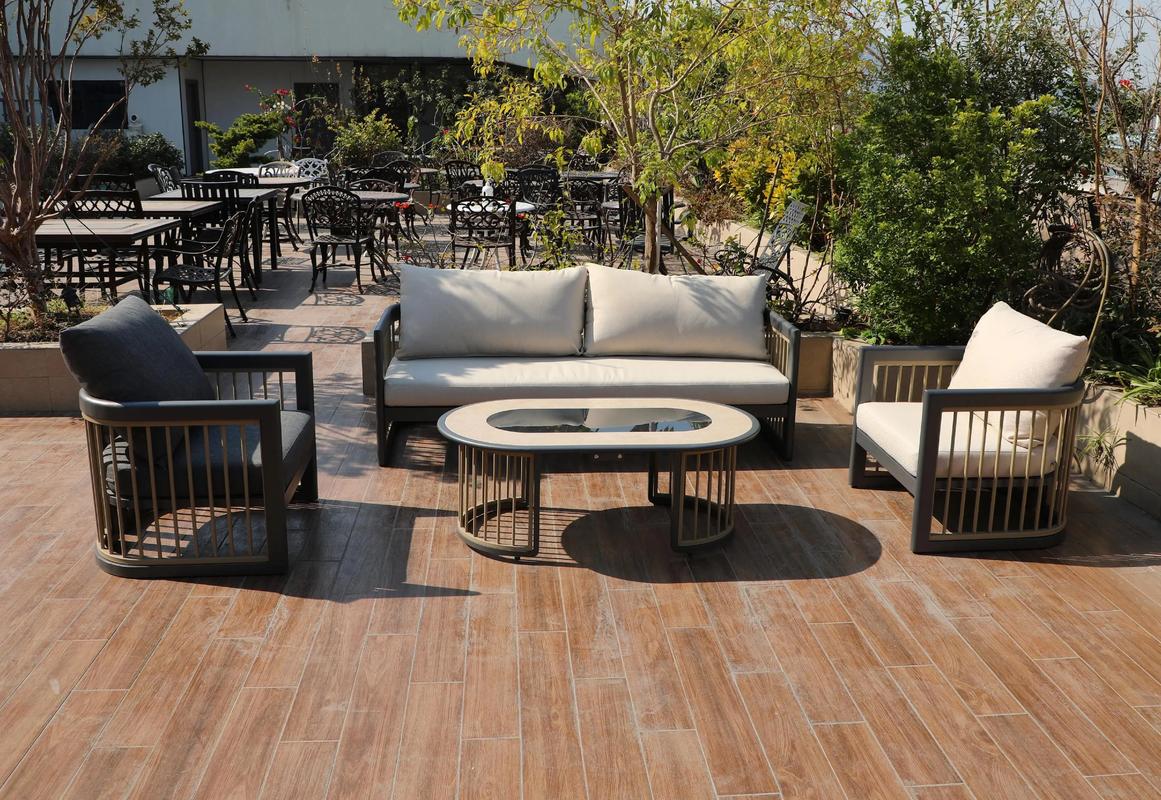
Outdoor Furniture Is a Long-Term Asset, Not a Disposable Expense
Professional resort procurement is not about choosing the lowest price —
it is about optimizing lifecycle cost, maintenance efficiency, guest experience, and brand image.
The right materials buy you years of stable use.
The right supplier buys you certainty of delivery and risk control.
For upcoming resort outdoor furniture projects, evaluate suppliers based on:
weather-resistant material systems, bulk delivery capability, and style implementation consistency.
That’s how outdoor spaces evolve from simple decor into long-term, value-generating assets.
