When people hear “solid wood,” they often think it’s something only experts can judge.
Different species, origins, grades… it sounds complicated.
But from a regular buyer’s perspective,
you don’t need to know everything to avoid being fooled.
Let’s simplify it:
You’re not identifying wood. You’re identifying whether something is pretending to be wood.
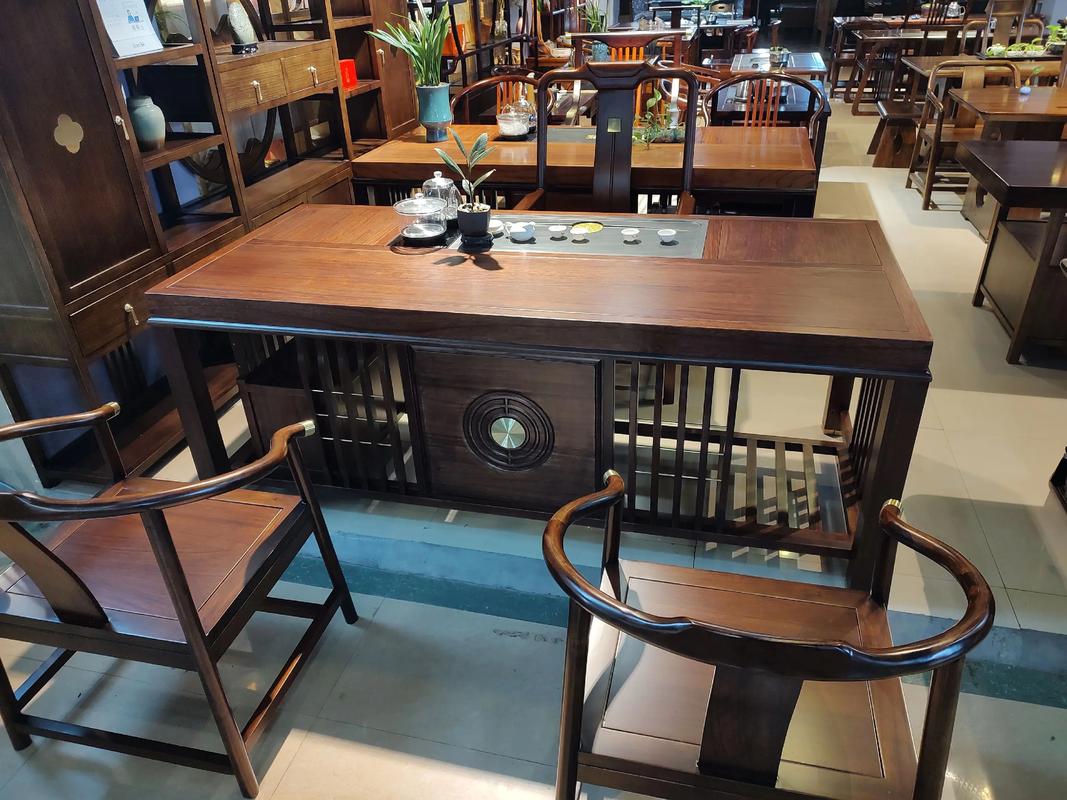
Step One: Is It Really Solid, or Just “Looks Like It”?
In the market, what people call “solid wood” usually falls into two categories:
- Genuine solid wood (cut from real timber)
- Engineered core with a wood veneer on the surface
Most people jump straight into comparing wood types.
But that’s actually the second step.
The first question should always be:
👉 Is this piece made from real wood all the way through, or just covered with it?
Look at the Grain: Real Wood Is Never Perfect
Start by looking at the surface from a slight distance.
If you see a large panel—like a tabletop or a wardrobe door—
and the grain looks perfectly consistent, almost repeated,
that’s a red flag.
Why?
Because real wood doesn’t behave like that.
Trees grow in rings. When cut into boards,
each piece will have subtle variations in grain.
Think of it like fingerprints—
similar, but never identical.
👉 If the grain looks too perfect, be careful.
Check the Edges: Does the Grain Continue Naturally?
Here’s a simple but powerful trick:
👉 Look at how the grain behaves at the edges.
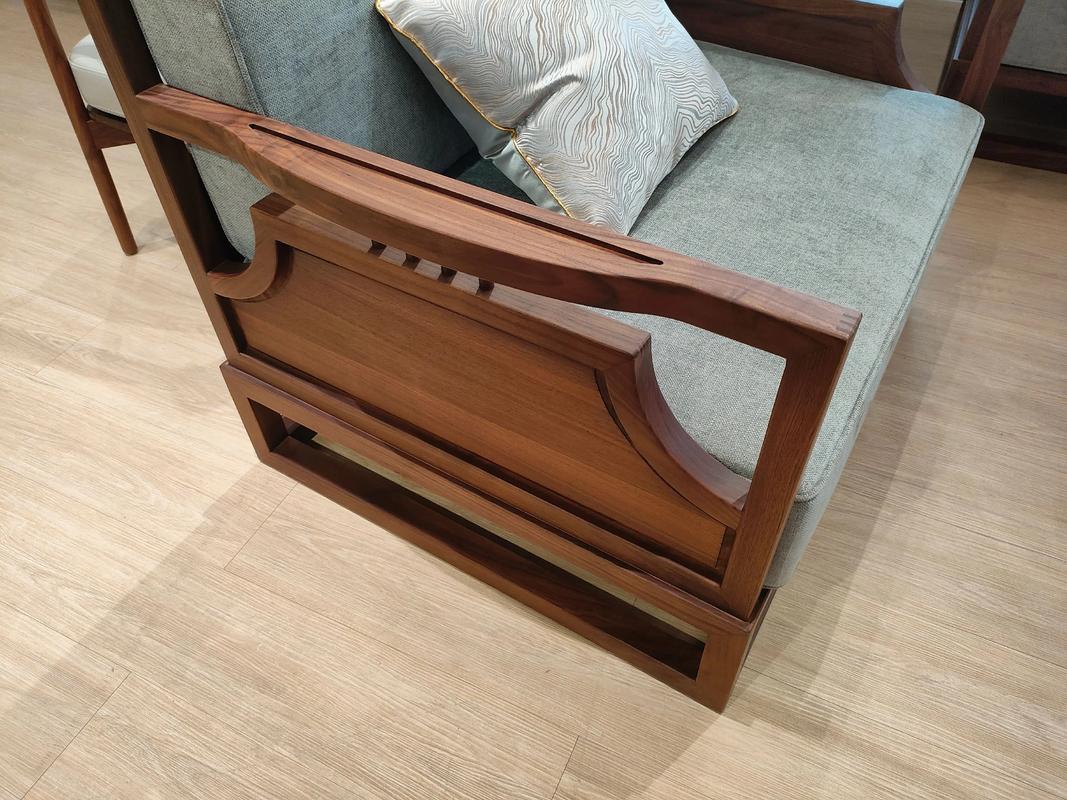
- If the grain on the surface “wraps” perfectly onto the side, matching exactly
→ it’s likely veneer - If the side grain looks different but still structurally related
→ more likely solid wood
Real wood has depth.
The grain exists inside the material, not just on the surface.

Tap It: You’re Listening for What’s Inside
This method is simple, even a bit crude—but effective.
Use your knuckles and lightly tap different parts:
- Solid wood: clear, tight, and solid sound
- Hollow or composite structure: dull, muted, sometimes echoing
Why?
Because many “fake solid wood” pieces are built like this:
- A cheaper core or hollow frame
- Veneer on the outside
Sound travels differently through layered or hollow structures.
You’re hearing multiple reflections, not a single solid medium.
👉 Tip: Compare different parts
Tap the legs or frame (usually real wood) and then the panels.
The difference will tell you a lot.
The Most Common Trick: Real Outside, Cheap Inside
A very typical construction looks like this:
- Pine or low-cost wood (or even board material) inside
- A thin layer of premium wood veneer outside (like ash or oak)
- Edges sealed to hide everything
Visually, it can look almost identical to solid wood.
So instead of focusing on one piece, do this:
👉 Look at the entire product—especially hidden areas
Check:
- Drawer interiors
- Back panels
- Unfinished edges
These areas are much harder to fake consistently.
Sometimes, Design Tells the Truth
Here’s something people often overlook:
👉 Real solid wood furniture tends to have simpler structures
Why?
Because solid wood is strong enough on its own.
It doesn’t need extra elements to hide anything.
On the other hand, “fake solid wood” often includes:
- Extra frames
- Decorative lines
- Complex edge details
These aren’t always for aesthetics—
they’re often there to cover joints and seams.
So if a design feels unnecessarily complicated,
it might be hiding something.
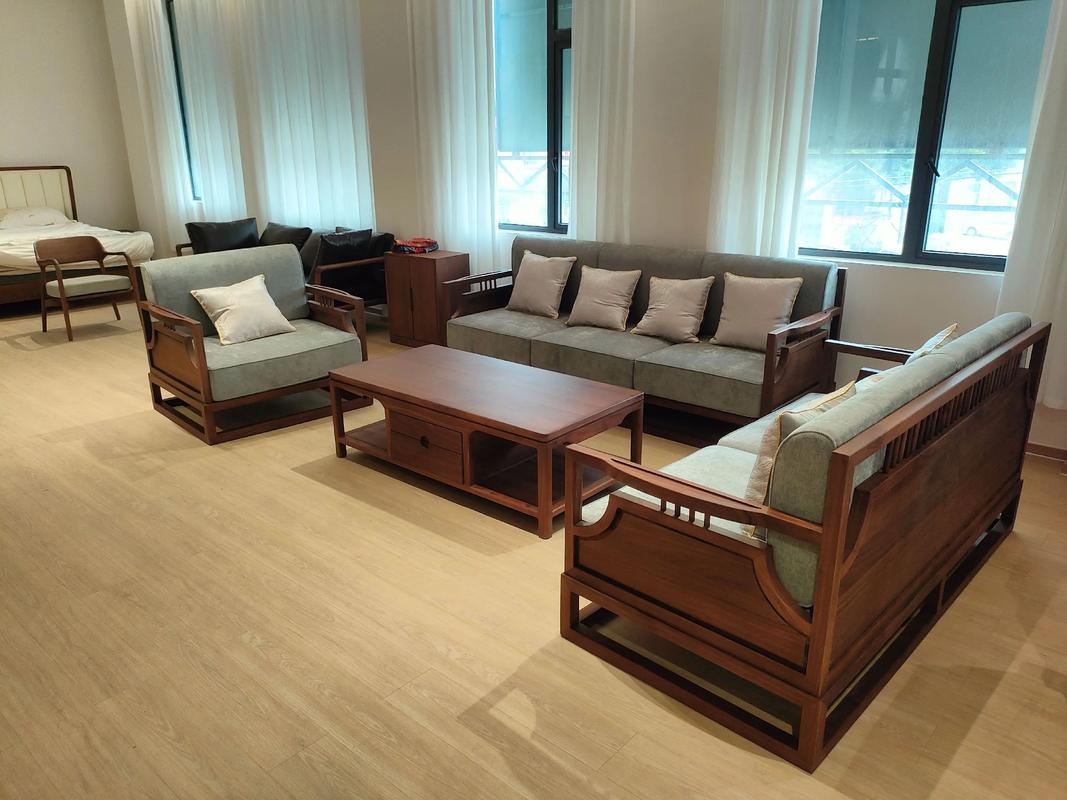
Surface Finish: Too Perfect Can Be a Problem
If a piece of furniture has:
- Very thick coating
- High-gloss, almost reflective surface
- Grain that’s barely visible
You should pause.
Heavy finishes are often used to create a uniform look—
especially on veneered surfaces.
Real solid wood is often finished more lightly:
- Oil or wax finishes
- Natural texture preserved
Not always, but often:
👉 The more natural it looks, the more honest it is.
One Honest Thought
You don’t need to become a wood expert to buy furniture wisely.
Wood species, origin, grading—those matter,
but they come later.
The first and most important question is simple:
👉 Is it real, or is it pretending?
If you can answer that,
you’re already ahead of most buyers.
At the end of the day,
you’re not being tricked by materials.
You’re being tricked by things that look just real enough.
And real things?
They usually don’t need that much hiding.
