Among all solid wood furniture materials, pine is probably the most misunderstood.
Some people think pine furniture is cheap and low-end. Others believe it’s the perfect “affordable solid wood” solution for everything. The truth sits somewhere in the middle.
Pine is not a luxury hardwood, nor is it a useless material. In the right situation, it’s one of the most cost-effective solid woods you can buy. In the wrong situation, it can warp, yellow, dent, and age poorly much faster than expected.
The problem is that most consumers only hear the phrase “solid wood,” but never learn what kind of wood they’re actually buying.
So today, let’s break pine furniture down properly — what types of pine are used in furniture, where pine performs well, where it fails, and why climate matters far more than most people realize.
Not All “Pine Furniture” Is the Same
One of the biggest misconceptions in the furniture market is treating all pine wood as identical.
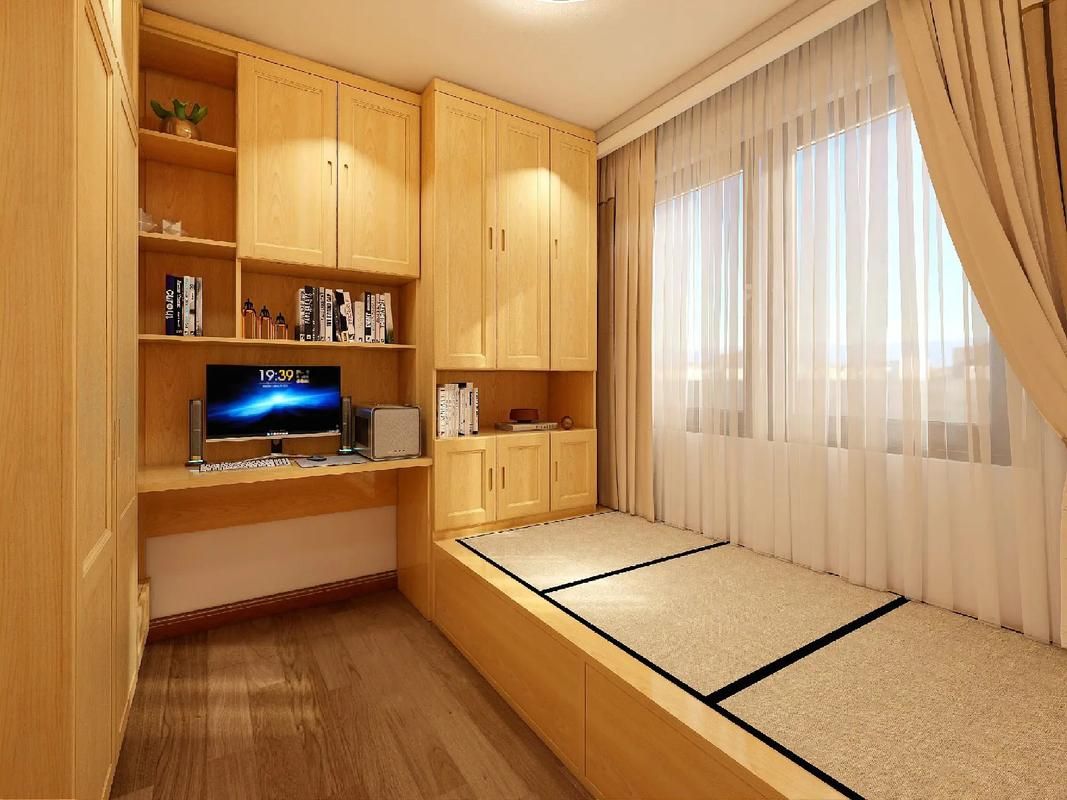
In reality, furniture-grade pine usually refers to imported species such as Russian Scots pine or spruce. These woods are widely used because they’re stable enough for furniture production, easy to process, and available in large quantities. They also have relatively clean grain patterns and work well with natural clear finishes that preserve the raw wood texture.
On the other hand, many domestic softwoods with loose density and unstable structure are far less suitable for long-term furniture use. Some sellers simply label everything as “pine,” even when the actual material quality varies dramatically.
So the first rule when buying pine furniture is simple:
Know the wood source first — not just the marketing label.
Why Pine Furniture Became So Popular
Pine remains popular for one reason: value.
Compared with hardwoods like ash, oak, or walnut, pine is significantly cheaper. The wood is softer, easier to cut, and faster to manufacture, which lowers production costs across the board.
For many people, pine becomes the entry point into solid wood furniture — especially for those who want to avoid particle board or MDF furniture filled with glue and heavy chemical processing.
But affordability isn’t the only reason.
1. Natural and Relatively Eco-Friendly
Solid pine furniture contains far less adhesive than engineered board furniture. Many pine products also use simple clear coatings instead of thick chemical finishes, preserving the natural texture and smell of wood.
That makes pine especially popular for children’s furniture, rental homes, and minimalist interiors.
2. Lightweight and Easy to Move
Pine has low density, which makes the furniture relatively light.
For renters, small apartments, studios, or commercial spaces that frequently rearrange layouts, this becomes a major advantage. Moving a pine bed frame or cabinet is dramatically easier than moving dense hardwood furniture.
3. Better Moisture Resistance Than Cheap Board Furniture
Compared with low-cost MDF or particle board furniture, solid pine handles humidity better overall. It’s less likely to swell from minor moisture exposure, and it doesn’t suffer from the same glue-layer separation problems common in cheap engineered boards.
4. Strong Structural Performance in Thick Pieces
Classic pine bunk beds are a good example. Many use thick solid posts and oversized support beams that provide excellent structural strength at a relatively low price.
This is why pine remains extremely common in dormitories, rental apartments, children’s rooms, and staff housing.
The Weaknesses Pine Can’t Escape
No wood is perfect — and pine has obvious limitations.
Understanding these limitations is what separates a smart buyer from a disappointed one.
1. Pine Is Soft
This is the biggest issue.
Pine dents and scratches easily. Compared with hardwoods, its surface durability is much lower. Everyday impacts from chairs, toys, luggage, or even belt buckles can leave visible marks.
If you want furniture that still looks pristine after ten years of heavy use, pine probably isn’t the ideal choice.
2. Pine Naturally Yellows Over Time
Most pine furniture uses transparent or light finishes to showcase the natural grain. Unfortunately, exposure to air, sunlight, and oxidation slowly turns the wood yellow over time.
This isn’t poor craftsmanship. It’s simply the nature of pine.
Some people actually enjoy the warmer aged look. Others hate it. But either way, it’s unavoidable.
3. Large Panels Can Warp
Pine contains relatively high moisture content and has lower dimensional stability than many hardwoods.
Small furniture pieces perform reasonably well, but large surfaces — especially wardrobes, cabinet doors, and long panels — are much more likely to bend, twist, or deform over time.
This becomes especially problematic in humid climates.
4. Knots and Imperfections Are Common
Pine naturally contains knots and irregular grain patterns.
Some people love the rustic, natural appearance. Others see it as visual imperfection. There’s no right answer here — it’s purely aesthetic preference.
5. Humid Climates Are Tough on Pine
In southern humid regions, pine furniture faces a much harder life.
Moisture, mold, swelling, and accelerated oxidation become major risks, especially if the furniture lacks proper sealing and ventilation.
This is one reason why pine performs far better in dry northern climates than in humid southern environments.
Where Pine Furniture Actually Makes Sense
Pine works best when expectations match the material.
Here are the situations where pine is genuinely a smart buy.
Rental Apartments
For rental properties, pine hits a sweet spot:
affordable, simple, environmentally friendlier than cheap board furniture, and visually clean.
A pine bed, wardrobe, desk, and dining setup can easily handle several years of use without massive investment.
Children’s Furniture
Kids outgrow furniture quickly.
Spending heavily on luxury hardwood children’s beds often makes little practical sense. Pine offers a softer surface, relatively natural material, and lower replacement cost.
For cribs, kids’ beds, and small desks, pine is often more than sufficient.
Dormitories and Bunk Beds
Pine’s structural performance in thick solid sections makes it ideal for bunk beds, hostels, employee housing, and dormitory furniture.
Strong enough, affordable enough, replaceable enough.
Studios, Shops, and Temporary Spaces
Retail spaces, livestream studios, cafés, and temporary offices often prioritize cost control and flexibility over long-term perfection.
Pine furniture fits these environments extremely well.
Small Storage Pieces
Small shelves, nightstands, side tables, and lightweight storage units are generally safe choices because smaller panels are less prone to deformation.
Where Pine Is a Bad Idea
Pine is not suitable for everything.
If you’re designing a long-term self-occupied home and expect furniture to stay beautiful for 10–15 years with minimal aging, pine may disappoint you.
Large wardrobes, oversized cabinet systems, luxury dining tables, and high-impact furniture pieces are better made from harder woods like rubberwood, ash, or oak.
And if you live in a very humid southern climate, using pine throughout an entire home is usually risky unless moisture control is excellent.
The Climate Difference Most Buyers Ignore
Climate changes everything.
In dry northern regions, pine performs surprisingly well. Lower humidity keeps moisture content stable and greatly reduces the chance of mold or severe warping.
But in humid southern environments, especially regions with rainy seasons and high annual humidity, pine ages much faster. Expansion, mildew, oxidation, and deformation become far more common.
This is why pine is much more accepted in northern homes, while southern buyers often limit pine usage to rentals or temporary furniture.
The Real Position of Pine Furniture
Pine is neither premium hardwood nor “junk furniture.”
Its real value is much simpler:
It’s one of the most affordable ways to enter the world of solid wood furniture.
That’s it.
If you understand its limitations — softness, yellowing, knots, possible deformation — and use it in the right places, pine offers exceptional value for money.
But if you expect pine to behave like premium hardwood while costing half the price, disappointment is inevitable.
The smartest furniture buyers aren’t the ones chasing the most expensive material.
They’re the ones matching the right material to the right purpose.
