When people shop for a dining table, they usually compare materials, finishes, colors, or dimensions.
But designers often pay attention to something else first:
How much visual space a table occupies.
Two dining tables can have exactly the same footprint, yet one makes a room feel open and comfortable while the other makes it feel crowded.
The difference comes down to form.
Furniture is not just something we use. It is something we constantly perceive. Every shape influences how we move, how we interact with a room, and how much space we feel we have.
Understanding this principle can completely change the way you choose furniture, especially in smaller homes.
Furniture Has Visual Weight
Every object in a room creates a certain level of visual presence.
Some pieces immediately attract attention. Others quietly blend into the background.
This effect is rooted in basic geometry.
Rounded shapes naturally soften visual focus. They guide the eye smoothly and create a sense of calm.
Sharp angles and strong directional lines create tension and attract attention. This is why triangular forms are commonly used in warning signs and directional graphics.
The same principle applies to furniture.
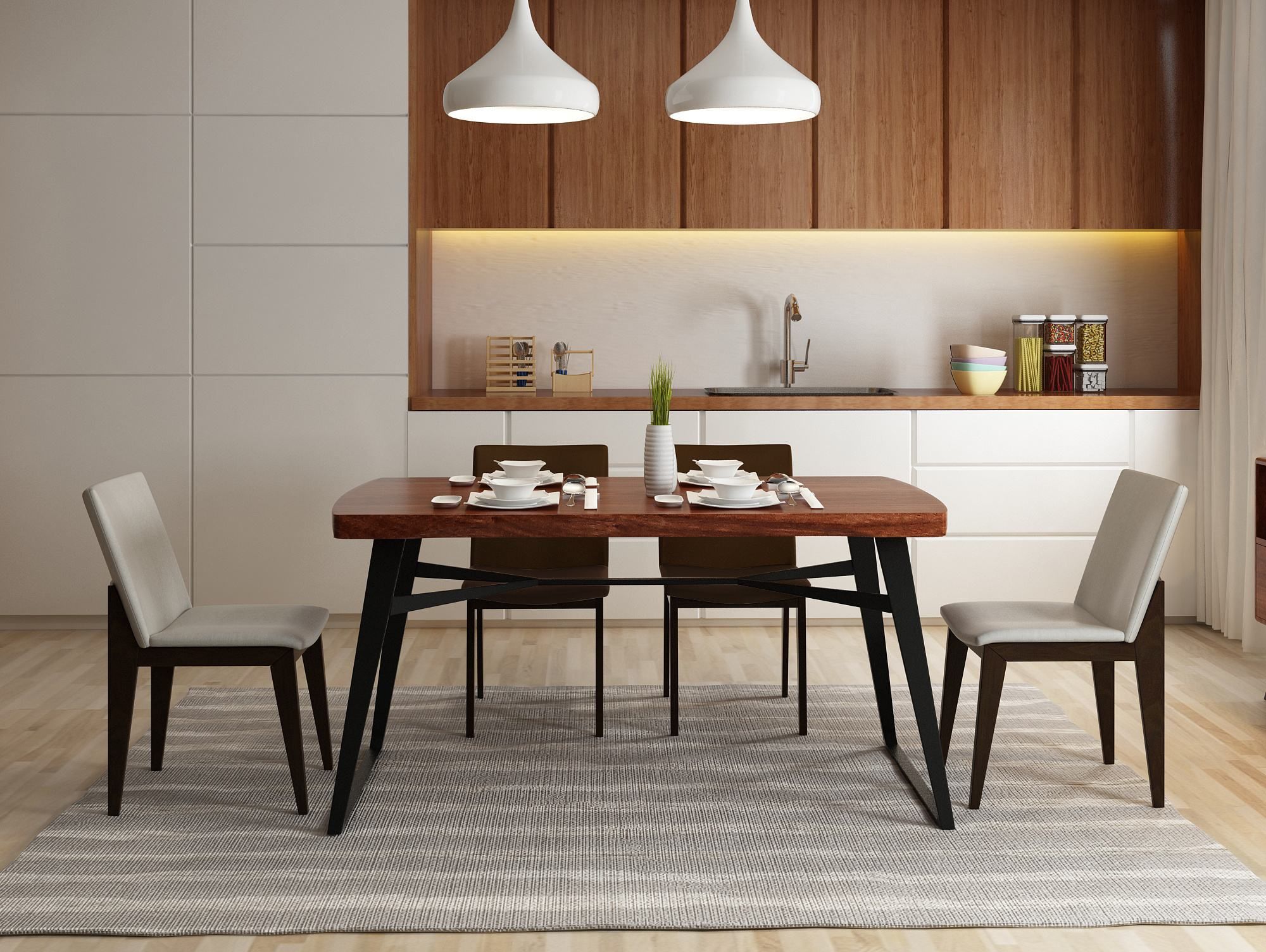
A dining table with heavy edges, prominent legs, and strong geometric contrasts tends to dominate a room.
A table with cleaner lines and quieter proportions often feels lighter, even when it occupies exactly the same amount of floor space.
In interior design, visual weight matters just as much as physical size.
Our Bodies Constantly Calculate Space
Most people think they evaluate space consciously.
In reality, much of it happens automatically.
As we move through a room, our brains continuously estimate safe distances around objects. We naturally leave space around corners, edges, and furniture forms that appear visually dominant.
This means furniture affects more than square footage.
It influences how much usable space we feel we have.
A table with visually heavy legs may require more psychological clearance around it, making a room feel tighter.
A table with a quieter profile often allows movement to feel easier and more natural.
This is why furniture design has such a powerful impact on perceived spaciousness.
Two Classic Dining Table Structures
Among solid wood dining tables, two structural approaches are especially common.
Neither is objectively better. They simply create different spatial experiences.
Inset-Leg Tables
This is the classic Western dining table structure.
The legs are positioned inward from the table edge, creating a floating tabletop appearance.
From a manufacturing perspective, this design is relatively forgiving and adapts well to natural wood movement over time.
Visually, however, the recessed legs create stronger shadows and a more dynamic appearance. The table becomes a distinct object within the room rather than blending into the architecture.
For larger spaces, this can add character and presence.
Flush-Leg Tables
In this design, the legs align directly with the corners of the tabletop.
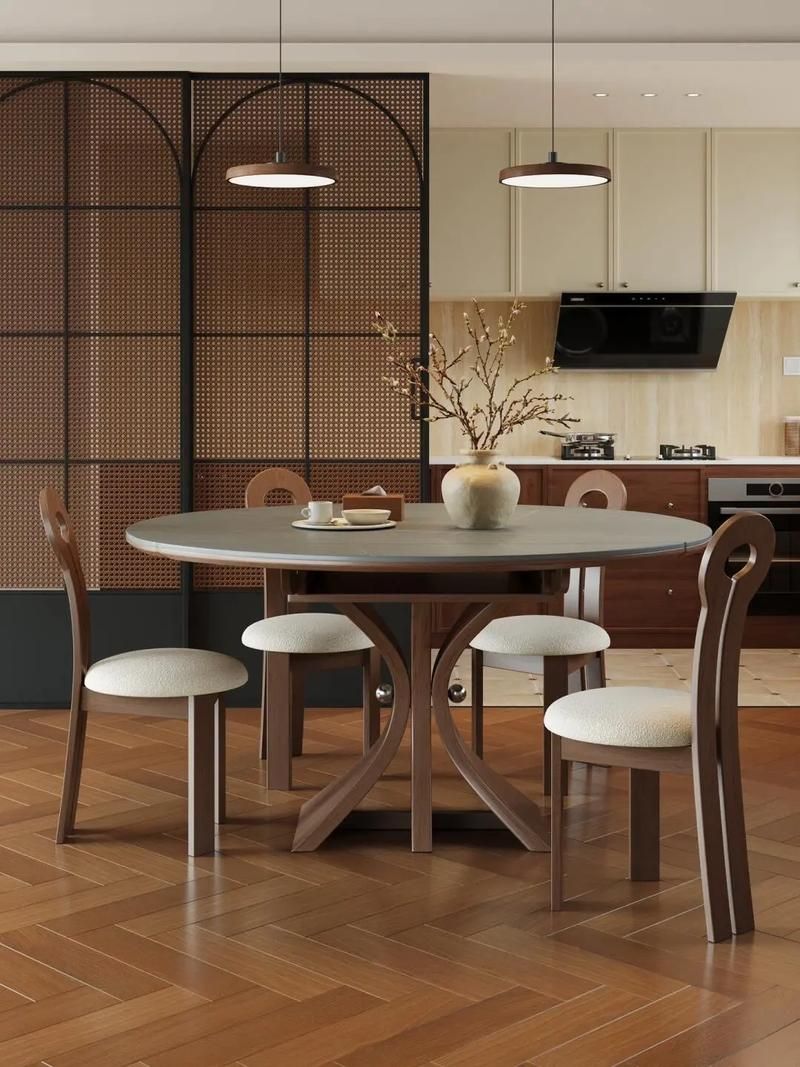
The silhouette becomes cleaner, more architectural, and visually calmer.
Because the table edges and legs share the same visual boundary, the piece feels less intrusive within a room.
When placed against a wall or in a compact dining area, the form integrates naturally into the surrounding space.
The result is often a room that feels more open without actually gaining any extra square footage.
For apartments and smaller homes, this difference can be surprisingly noticeable.
Why Small Spaces Benefit from Quiet Forms
Small rooms do not necessarily need smaller furniture.
They need furniture with lower visual noise.
Many people assume that reducing furniture size is the best way to create space.
Often the opposite is true.
A well-designed table with clean geometry can feel lighter than a smaller table with bulky detailing, oversized bases, or visually aggressive forms.
This is one reason minimalist furniture remains popular.
The goal is not decoration.
The goal is reducing visual interference.
The less attention furniture demands, the larger the room feels.
Ergonomics Should Be Invisible
The best ergonomic design is rarely noticed.
You simply feel comfortable without understanding why.
Details that seem minor often have the greatest impact on daily use:
- Softened table edges reduce pressure on the forearms during extended sitting.
- Rounded corners minimize accidental impacts.
- Chamfered undersides improve comfort when sitting down or standing up.
- Curved inner leg surfaces reduce knee and leg contact.
- Tapered leg profiles create a lighter visual appearance while maintaining structural stability.
None of these features exist purely for decoration.
They exist to reduce friction between people and furniture.
Good furniture should quietly adapt to human behavior rather than forcing people to adapt to it.
The Best Furniture Disappears
Many furniture brands focus on making products stand out.
Great furniture often does the opposite.
It supports daily life without constantly drawing attention to itself.
A successful dining table is not necessarily the one with the most dramatic form or the most complex details.
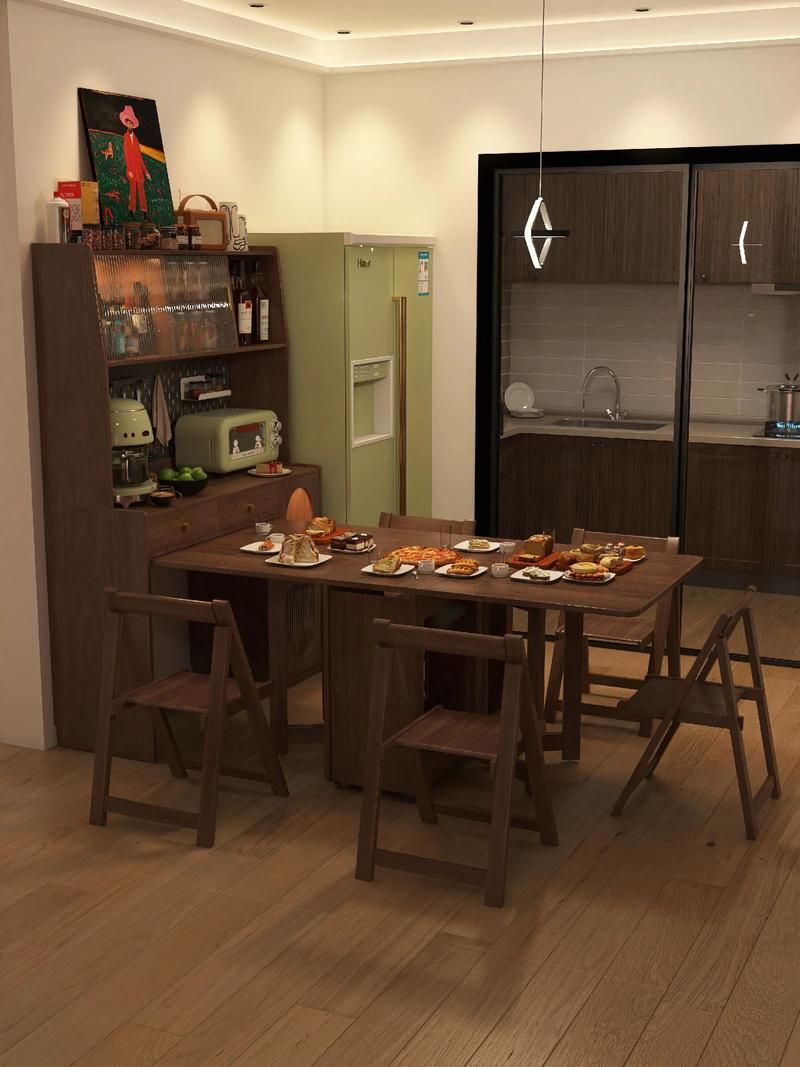
It is the one that allows the room to function naturally.
The one that feels comfortable to move around.
The one that quietly belongs to the space.
Because in the end, the highest level of furniture design is not about making an object more noticeable.
It is about making life around it feel effortless.
